
Unlike some of the other parables (the parable of the Sower, for example) Jesus offers no interpretation: rather we are invited to plumb its depths, mine its treasure and drill deep for its hidden meaning. We can skim the surface, even paddle a little in its light, but to truly enter the mystery it unlocks we need time, resources (commentaries, concordances, study aids), and most of all, prayer and the desire to immerse ourselves in the Scriptures.
The virgins are clearly believers – some are wise, some are foolish, but all believe in God and Christ. We don’t often realise it, but like the virgins all believers are awaiting the coming of the bridegroom in glory at the end of time when we will wrap up human history. The second coming, the Parousia, is a central doctrine of our faith, as are the Incarnation, the Cross and the Resurrection.
For some this thirst for Christ’s return lives in them as a profound truth of faith: they groan and long for this final and definitive event in history – the culmination of salvation history. This is the blessed hope of the Church and, whether we realise it or not, the prayer of cry from Jesus’ return is at the heart of every Eucharistic celebration. We are a people who rejoice in Jesus’ first coming but also long for and prepare for his second.
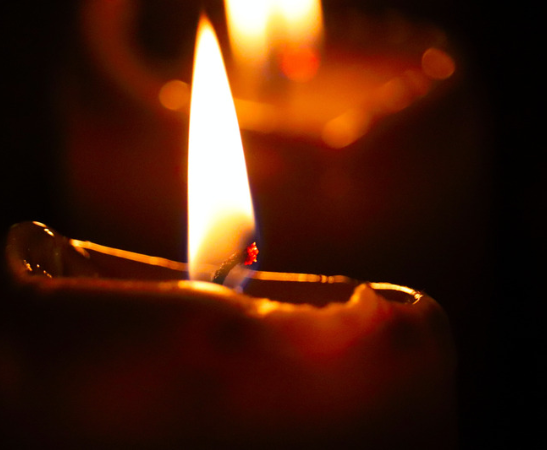
All the virgins had lamps, and all the virgins fell asleep. The sleep is the sleep of sin, to which we all succumb because faith is lived through the struggle with sin, darkness and confusion. The difference was that the wise virgins had come prepared with an extra jar of oil in case their lamps went out. We need a grace of revelation to understand the meaning of the jars of oil they took with them, but perhaps this extra provision of oil relates to faith in the return of the King, the Bridegroom. They couldn’t share this oil, just as we can’t share our hope in Christ’s return – this truth burning in our hearts is the gift of the Spirit.