
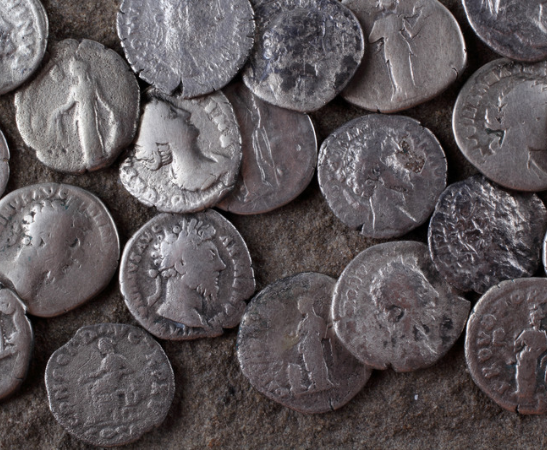
Since in the first century one denarius was a day’s pay for a labourer in the Middle East, 6000 divided by 365 (the number of days in a year) would have been a little less than 16½ year’s pay. So, the servant with 5 talents was given something in the region of £2million – the amount of money we are dealing with here is colossal! Imagine how Jesus’ first hearers must have smiled when they heard this parable.
One of the interesting things about the parable, and not often understood, is that in the ancient world, believe it or not, the notion of making money wasn’t heralded like it is today. People traded to survive, not to make a killing, and business (in the way we understand it today) was akin to prostitution and exploitation. Nevertheless, the Jewish people were known as shrewd business people and canny investors.
Now clearly, the parable isn’t simply about the benefits of making a return on an investment versus burying our capital and not even making any interest. It’s a parable after all: its meaning is deeper. The parable isn’t simply about using our God-given natural talents to bless our friends and neighbours, for example – there is no reward (return) in that. NO, the talents or gifts are primarily spiritual gifts – the charisms, graces, blessings, and fruits of the Holy Spirit (which are worth more than gold).
We too eagerly (yes eagerly) desire the spiritual gifts, especially the gifts of prophecy. We are not to be ignorant about the spiritual gifts (like the servant who buried his talent). There are different kinds of gifts (talents) given by the Spirit: the message of wisdom or knowledge, the gift of healing, miraculous powers, discernment, or spirits, speaking in tongues and interpretation of tongues.